DFW Insurance Group
ContactGet a quote

Coverage · Homeowners

Homeowners insurance for Plano and North Texas.

Your home is most likely the largest thing you will ever own, and homeowners insurance is what stands between a bad day and a financial loss you cannot absorb. DFW Insurance Group compares home coverage across 15 carriers for owners across Plano, Frisco, McKinney, Allen, and the wider DFW area. We make sure the policy fits the house and that you understand what you are buying.

HO-3
Standard policy form
1 to 2%
Typical wind/hail deductible
Percentage of dwelling coverage.
Flood
Not covered, separate policy
NFIP or private flood carrier.
Replacement cost
Default we quote
Not actual cash value.
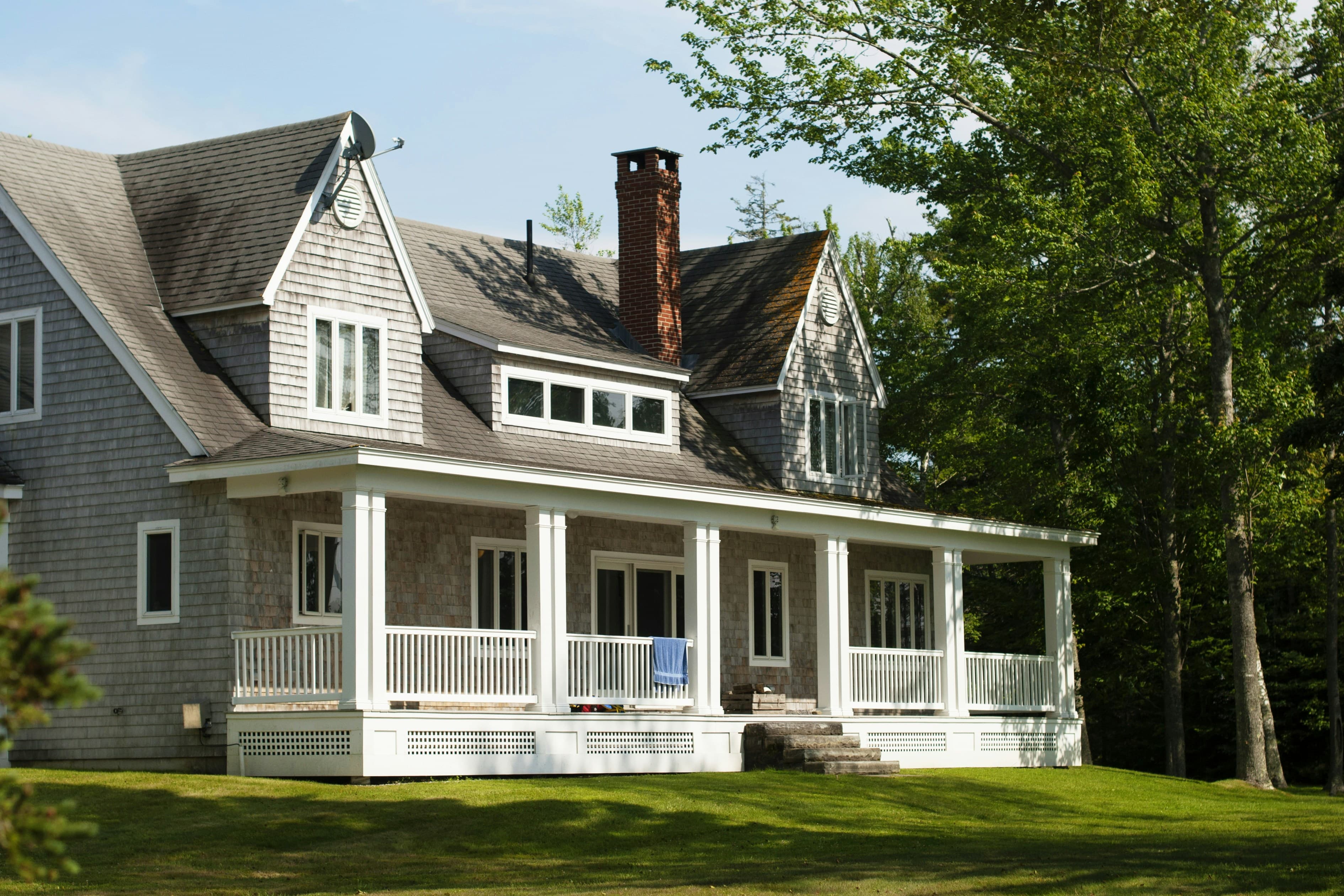
A classic shingle-style home with a wraparound porch and dormers.
01

Is homeowners insurance required in Texas?

Texas does not legally require homeowners insurance. Your mortgage lender almost certainly does, as a condition of the loan, and they will require it for as long as you carry the mortgage. Even if you own your home outright, a policy protects an asset most households could not afford to replace out of pocket. So while the state does not mandate it, going without it is rarely a real option.

02

What does a standard homeowners policy cover?

A standard homeowners policy generally covers several things at once: the structure of your home, other structures on the property such as a fence or detached garage, your personal belongings, your liability if someone is injured on your property, and additional living costs if a covered loss makes your home unlivable for a time. The exact limits and terms vary by carrier, which is one of the reasons comparing policies matters.

03

What homeowners insurance does not cover

The most common gap is flood. Flood damage is not covered by a standard homeowners policy and requires a separate flood policy, through the National Flood Insurance Program or a private carrier. Wind and hail are usually covered in North Texas, but how a carrier pays a roof claim can differ a great deal, and some policies handle roof payments on a depreciation schedule rather than full replacement cost. We will walk through these details with you rather than letting you find out at claim time.

04

Replacement cost vs actual cash value

This distinction decides how much you actually receive after a loss. Replacement cost pays what it takes to repair or replace the item at today’s prices. Actual cash value pays the depreciated value, the replacement cost minus wear and age. A five-year-old roof settled at actual cash value can leave a sizable gap between the check and the repair bill. We make sure you know which basis your policy uses, for the dwelling and for your belongings.

Coverage A pays to repair or rebuild the physical structure of your home after a covered loss. The number that matters is replacement cost, what it takes to rebuild today, not your purchase price or market value.

In North Texas

In a fast-appreciating market like Plano and Frisco, market value and rebuild cost have drifted apart. We make sure Coverage A reflects current North Texas construction costs so you are not underinsured at claim time.

A home that sells for $500,000 might cost $380,000 or $560,000 to actually rebuild, and Coverage A tracks the latter.

Coverage B handles structures on your property that are not attached to the house: fences, a detached garage, a shed, an arbor. It is usually set as a percentage of your dwelling coverage, often around 10%.

In North Texas

North Texas wind and hail are hard on fences, and a full perimeter fence replacement across a Plano lot is not cheap. It is worth confirming Coverage B is high enough to actually rebuild yours.

At 10% of a $400,000 dwelling, that is $40,000 toward fences and detached structures.

Coverage C pays for your contents: furniture, electronics, clothing, appliances. The critical choice is replacement cost (RCV), which pays for new equivalents, versus actual cash value (ACV), which subtracts depreciation. Certain categories like jewelry have sublimits.

In North Texas

We quote replacement cost by default. The gap between RCV and ACV on a houseful of belongings after a North Texas storm or fire can be tens of thousands of dollars.

A depreciated (ACV) settlement on contents can pay 40 to 60% of what buying everything new actually costs.

Coverage D, also called additional living expenses, pays the extra costs of living elsewhere (a rental, meals, storage) while a covered loss makes your home unlivable. It is usually a percentage of your dwelling coverage.

In North Texas

After a major hail or fire event in DFW, contractors get backed up for months. Loss of use is what keeps your family stable while you wait your turn in the repair queue.

Often 20% of Coverage A, on a $400,000 home, up to roughly $80,000 of living expenses.

Coverage E pays legal and medical costs if you or your household are found responsible for injuring someone or damaging their property, at home or away. It is the coverage behind the lawsuit nobody plans for.

In North Texas

Pools, trampolines, and dogs all raise the odds. For higher-asset Plano and Frisco households, this is also the limit your umbrella policy sits on top of.

Commonly written at $300,000 to $500,000, and the foundation an umbrella extends.

Coverage F pays minor medical bills for a guest hurt on your property, regardless of fault, without anyone having to file a liability claim. It keeps small incidents from escalating.

In North Texas

A neighbor who slips on your Plano driveway can be handled quietly through Coverage F rather than turning into a dispute.

Typically $1,000 to $5,000, designed for small bills, not lawsuits.

Most Texas policies carry a separate deductible for wind and hail, expressed as a percentage of your dwelling coverage (commonly 1% or 2%) rather than a flat dollar amount. It applies specifically to storm claims, which are the ones North Texans actually file.

In North Texas

This is the single biggest pricing lever on a DFW home quote. On a $400,000 home, a 1% wind/hail deductible is $4,000 out of pocket on a hail claim; 2% is $8,000. We model both so the trade-off against premium is clear.

1% of $400,000 = $4,000; 2% = $8,000, your share before a hail claim pays.

Flood is not covered by any standard homeowners policy. It requires a separate policy through the National Flood Insurance Program (NFIP) or a private flood carrier. We pull your FEMA flood zone at quote and tell you plainly whether flood is worth carrying for your address.

In North Texas

Flooding in North Texas is not just a coastal or floodplain problem, flash flooding and overwhelmed drainage hit homes well outside mapped high-risk zones across the DFW metro.

Many flood claims come from properties outside FEMA high-risk zones, where flood coverage is optional but cheaper.

Educational summary, not coverage advice or a quote. Figures are illustrative. DFW Insurance Group is a fictional demo agency built by Rivyn AI.

Working with us

How DFW Insurance Group helps.

We shop 15 carriers

More options, side by side, every time. You see what is actually on the market.

Reviewed at renewal

If a better fit appears or your rate rises, we re-shop and can move you without you switching agencies.

Local claims advocacy

When a claim happens, our Plano office is your first call, not a phone tree.

Ready to compare your options?

Request a quote and an agent in Plano will follow up, usually the same business day.